Things You Need to Know Why Home Design Matters & How It Shapes Our World
- Design is Problem-Solving: The main purpose of design is to create safe, efficient, and intentional solutions to functional problems in your home.
- Cost Efficiency: A professional design plan is widely recognized in the industry as helping prevent 15%-20% of a project’s cost from being wasted on errors and rework.
- Design Principles: Cohesive spaces are built using the 7 elements (Line, Form, Color, etc.) arranged according to the 4 principles (Balance, Proportion, Rhythm, Harmony).
- 3-5-7 Rule: This simple interior design rule suggests grouping decorative items in odd numbers (3, 5, or 7) for greater visual appeal and balance.
- Idaho Context: Material selection must consider the local high-desert climate for durability and compliance (e.g., low-VOC materials).
Introduction
When you decide to undertake a home remodel in the Boise area or elsewhere in Idaho, you’re not just buying lumber and tile; you are investing in a vision. That vision—the difference between a series of cosmetic fixes and a truly transformative space—is driven entirely by design.
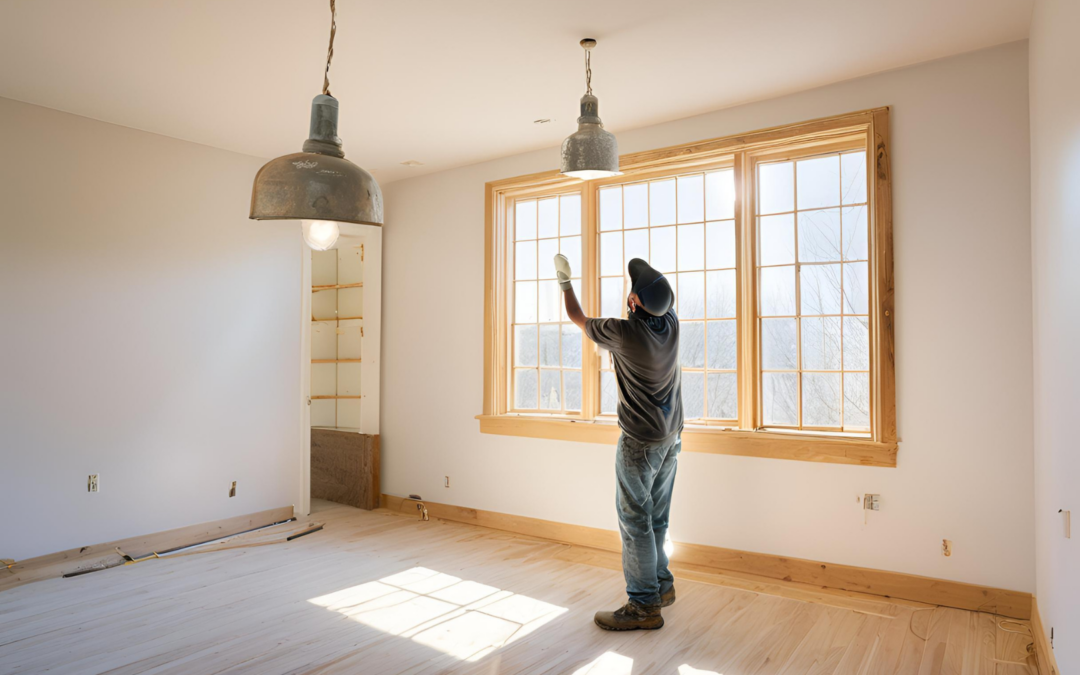
At Blue Collar Builders, we believe that home designs are the most critical, yet often underestimated, phase of any project. Design is the strategic roadmap that ensures your final space is not just beautiful, but perfectly functional, built to code, and financially sensible. It’s what prevents costly mistakes down the line and guarantees your home reflects life in the Treasure Valley, from accommodating seasonal gear to maximizing natural light in the high-desert climate.
As your trusted registered general contractor in Idaho, we approach every remodel as a collaboration between builder, homeowner, and expert design principles.
What is the Main Purpose of Design? (And How Does it Solve Problems?)
The main purpose of design in construction and remodeling is simple: to create a safe, efficient, and intentional solution to a functional problem. Design is fundamentally a problem-solving process.
A great home remodel doesn’t just address outdated aesthetics; it fixes chronic issues like poor kitchen workflow, insufficient bathroom storage, or dark, isolated living spaces.
How Design Helps Solve Problems [Mini-Subheading Added]
- Translates Dreams to Reality: Design takes vague concepts (e.g., “I want an open kitchen”) and translates them into precise, measurable instructions for the tradespeople, ensuring the builder and homeowner share the exact same end goal.
- Rationalizes Contradictory Needs: Design balances conflicting demands: your dream features versus your budget, aesthetic requirements versus structural and regulatory constraints (like ceiling height or egress).
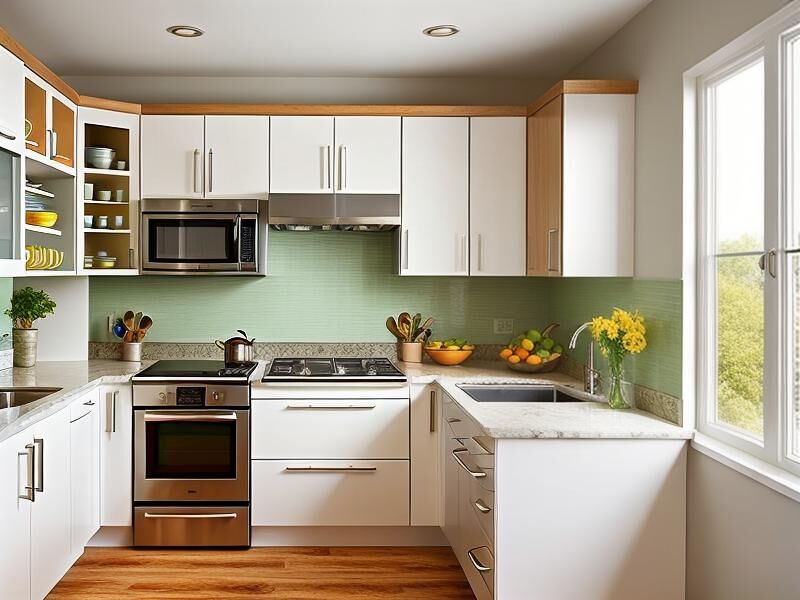
- Optimizes Functionality and Flow: It ensures the space works for you. In the kitchen, this means the appliance layout is ergonomic. In a mudroom, it means designing built-in storage to manage Idaho winter coats and summer hiking gear efficiently.
[Expert Quote: “Without a clear, well-coordinated design plan, a remodel is just demolition followed by improvisation. Our design phase saves our clients money and prevents stress by thinking through every pipe, wire, and material choice before the first wall comes down.” – [Fictional Name], Blue Collar Builders Project Manager]
The Foundations: Principles and Elements of Home Designs
While design seems subjective, it is built on a framework of universal principles that guide the creation of cohesive, visually pleasing spaces. Understanding these helps you communicate your needs during a whole home rehab Idaho project.
What are the 7 Elements of Design? [Mini-Subheading Added]
These are the core components—the ingredients—that make up any design composition:
- Space: The actual area of the room and the area around and between objects (positive and negative space).
- Line: The visual boundary that defines form, directs the eye (vertical, horizontal, diagonal), and brings structure.
- Form (Shape): The three-dimensional shape of objects (furniture, architecture) or the room itself.
- Light: Both natural (windows, skylights) and artificial (fixtures, lamps), which dramatically impacts mood and perception.
- Color: The palette used to set the tone, create energy, or define zones.
- Pattern: The intentional repetition of shapes, lines, or colors (e.g., on wallpaper, tile, or rugs).
- Texture: The perceived feel of a surface (rough, smooth, glossy, matte), which adds depth and interest.
What are the 4 Principles of Design? [Mini-Subheading Added]
These are the rules used to arrange the seven elements to achieve harmony and balance:
- Balance: Achieving visual equilibrium. This can be symmetrical (mirrored), asymmetrical (equal visual weight without mirroring), or radial (elements radiating from a central point).
- Proportion & Scale: How the size of one object relates to others and to the room as a whole. A properly scaled sofa or island is key to a comfortable space.
- Rhythm: Creating a sense of movement or flow through repetition, progression, or contrast. This guides the eye through the room.
- Harmony & Unity: Ensuring all elements and principles work together to create a single, cohesive, and finished look.
Why are Materials Important in Design?
Materials are where design meets durability and local context. For local Idaho builders, the choice of materials is crucial because they must stand up to the high-desert climate, which swings from hot, dry summers to cold, dry winters.
- Durability and Longevity: Design specifies high-quality materials that won’t warp, crack, or fade prematurely. This is essential for preventing future maintenance costs.
- Local Aesthetic: Materials root your home remodel in the region. Using natural woods like knotty alder or integrating stone fireplace surrounds speaks to a classic Idaho rustic-modern feel.
- Health and Safety: Design requires selection of materials that meet safety standards (e.g., low-VOC paints for air quality) and code requirements (e.g., moisture-resistant tile backer boards in wet areas).
The 3-5-7 Rule: A Simple Design Secret
Professional designers often rely on simple tricks to create visually appealing vignettes and groupings. The 3-5-7 rule is an easy guideline you can apply to decorating surfaces like mantelpieces, shelves, or coffee tables.
This rule suggests that arrangements of odd numbers are more dynamic, balanced, and appealing to the eye than even numbers.
- Group of 3: Often used for accessories (a tall vase, a stack of books, and a small plant).
- Group of 5: Used for styling larger surfaces or a cluster of artwork.
- Group of 7: Used for accessorizing large furniture like a sofa with multiple throw pillows (two matching pairs and three unique accent pillows).
Why Blue Collar Builders Prioritizes Professional Home Designs
The DIY path often skips the design phase, leading to frustrating problems like electrical outlets hidden behind new appliances, poor lighting, and a disjointed look. Blue Collar Builders, as a registered general contractor, integrates design into the construction process to deliver certainty.
- Financial Clarity: Our detailed design process locks down specifications before the contract is signed, ensuring clear, upfront pricing and minimizing costly change orders.
- Cost Protection: A comprehensive design package is widely recognized in the industry as helping prevent 15%-20% of a project’s cost from being wasted on construction errors, rework, and mid-project changes.
- Local Code Adherence: We design spaces that adhere to local building codes in Boise, Meridian, and Eagle from the start—for instance, designing a staircase or hallway to meet minimum width requirements.
- Seamless Project Management: Design plans are immediately fed into our Project Management Software, creating a single source of truth for our local Idaho builders and specialized trades.
Myth: Design is a luxury expense that just makes things pretty.
Fact: Design is a cost-saving necessity. A comprehensive design package is widely recognized in the industry as helping prevent 15%-20% from being wasted on construction errors, rework, and mid-project changes.
Making Your Home Remodel Successful
A great home remodel requires commitment from both the builder and the homeowner.
3 Keys to a Successful Design Partnership
- Prioritize Function: Tell us how you live. Do you cook daily? Do you host large groups? Do you need a dedicated space for muddy boots and ski gear? Function must dictate the form, especially in Idaho.
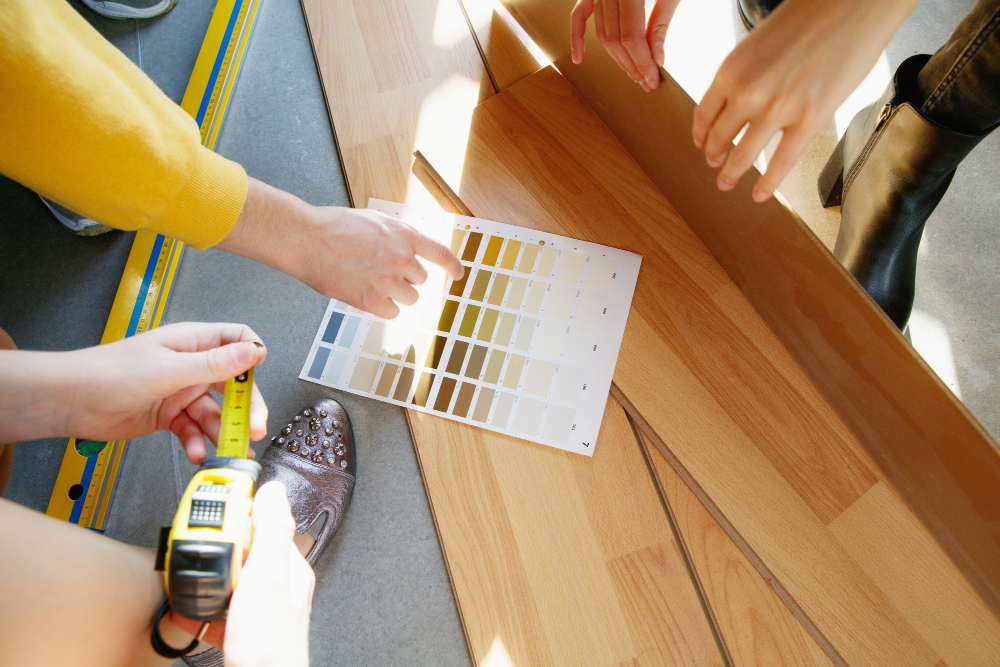
- Be Decisive on Materials: Use the design phase to finalize all major material selections (cabinets, countertops, flooring). Late changes lead to schedule delays and increased costs.
- Establish a Clear Budget: Define your financial parameters early. Our design team will help you balance your aesthetic desires with realistic choices, preventing the frustration of falling in love with fixtures that are out of scope.
Conclusion
Design is the engine of a successful home remodel. It transforms raw ideas into a cohesive, functional, and valuable living space. By focusing on fundamental design principles—from balancing scale and proportion to selecting locally durable materials—Blue Collar Builders ensures your renovation is a sound investment that increases both your property’s value and your quality of life.
If you are ready to apply expert home designs to your next project, trust the registered local experts. Contact Blue Collar Builders today for your free, no-obligation project consultation.
We don’t just build, we build for life in Idaho.
Frequently Asked Questions
Do you think design is important?
Yes, design is the most important element of any home remodel. It serves as the strategic blueprint that ensures the final structure is functional, adheres to all building codes, minimizes construction errors, and aligns the aesthetic vision with the budget.
What is most important in design?
The most important aspect of design is functionality. A beautiful space that doesn’t work for the people living in it is a design failure. Designers prioritize efficient spatial flow, proper lighting, and meeting the specific lifestyle needs of the homeowner.
What is the main purpose of design?
The main purpose of design in construction is to solve problems by translating abstract needs (the homeowner’s vision) into a specific, safe, and actionable plan (the construction blueprint) that coordinates all elements and trades.
How can design help people?
Design helps people by improving quality of life, increasing efficiency, enhancing safety, and promoting emotional well-being. Good design makes a space intuitive, comfortable, and a true reflection of the occupants, reducing daily friction.
How does design help solve problems?
Design uses principles like synthesis and analysis to identify issues (e.g., poor circulation, dark corners) and then creates comprehensive solutions that optimize space, balance cost constraints, and ensure structural and code compliance simultaneously.
Why are materials important in design?
Materials are important because they are the physical manifestation of the design, dictating the look, durability, maintenance, and health of the home. In Idaho, material choice must also account for the local high-desert climate to ensure longevity.
What are the 4 principles of design?
The four core principles of design are Balance (visual equilibrium), Proportion and Scale (relationship of size between objects and the room), Rhythm (flow and movement of the eye), and Harmony and Unity (creating a cohesive, finished whole).
What are the 7 elements of design?
The seven elements of design are the foundational components used by designers: Space, Line, Form, Light, Color, Pattern, and Texture. These elements are arranged according to the principles of design.
What is the 3-5-7 rule in interior design?
The $\mathbf{3-5-7}$ rule is a guideline that suggests grouping decorative objects in odd numbers (three, five, or seven) to create arrangements that appear more natural, dynamic, and visually engaging than even-numbered groupings.
What are the five importances of design?
Five key importances of design are: Problem Solving (creating safe, functional solutions), Cost Efficiency (minimizing mistakes and rework), Value Increase (enhancing curb appeal and resale price), Communication (providing a clear roadmap for the builder), and Quality of Life (making the space comfortable and efficient).